
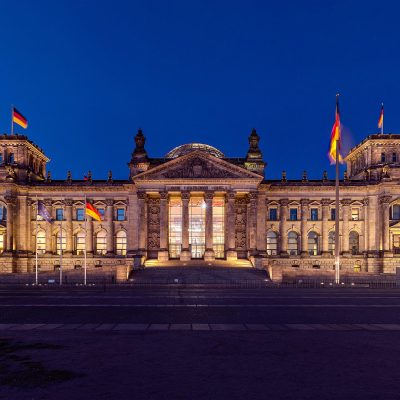
The Reichstag transfers legislative power to the government
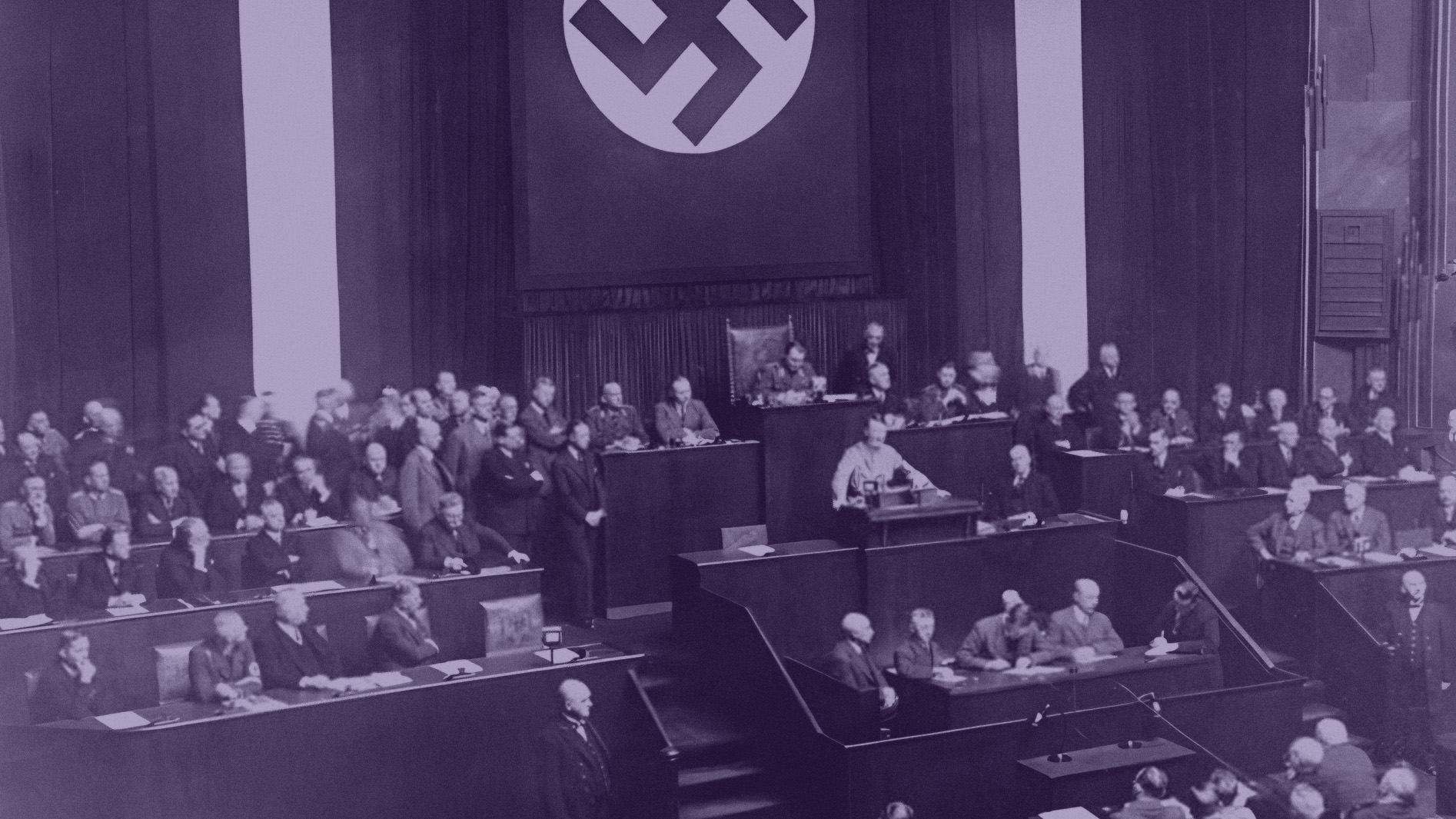
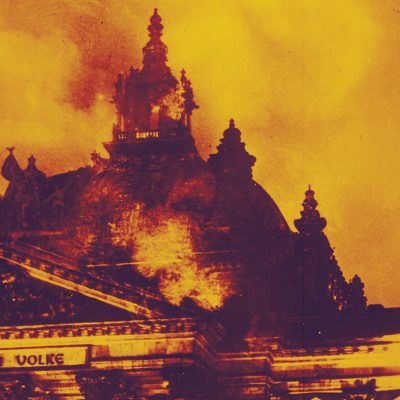
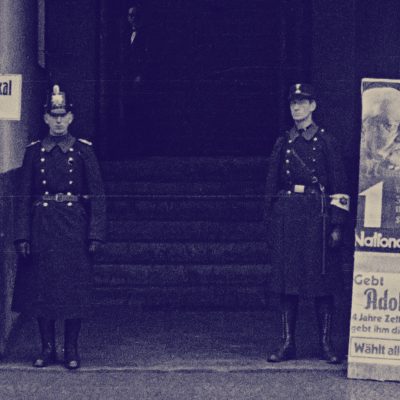
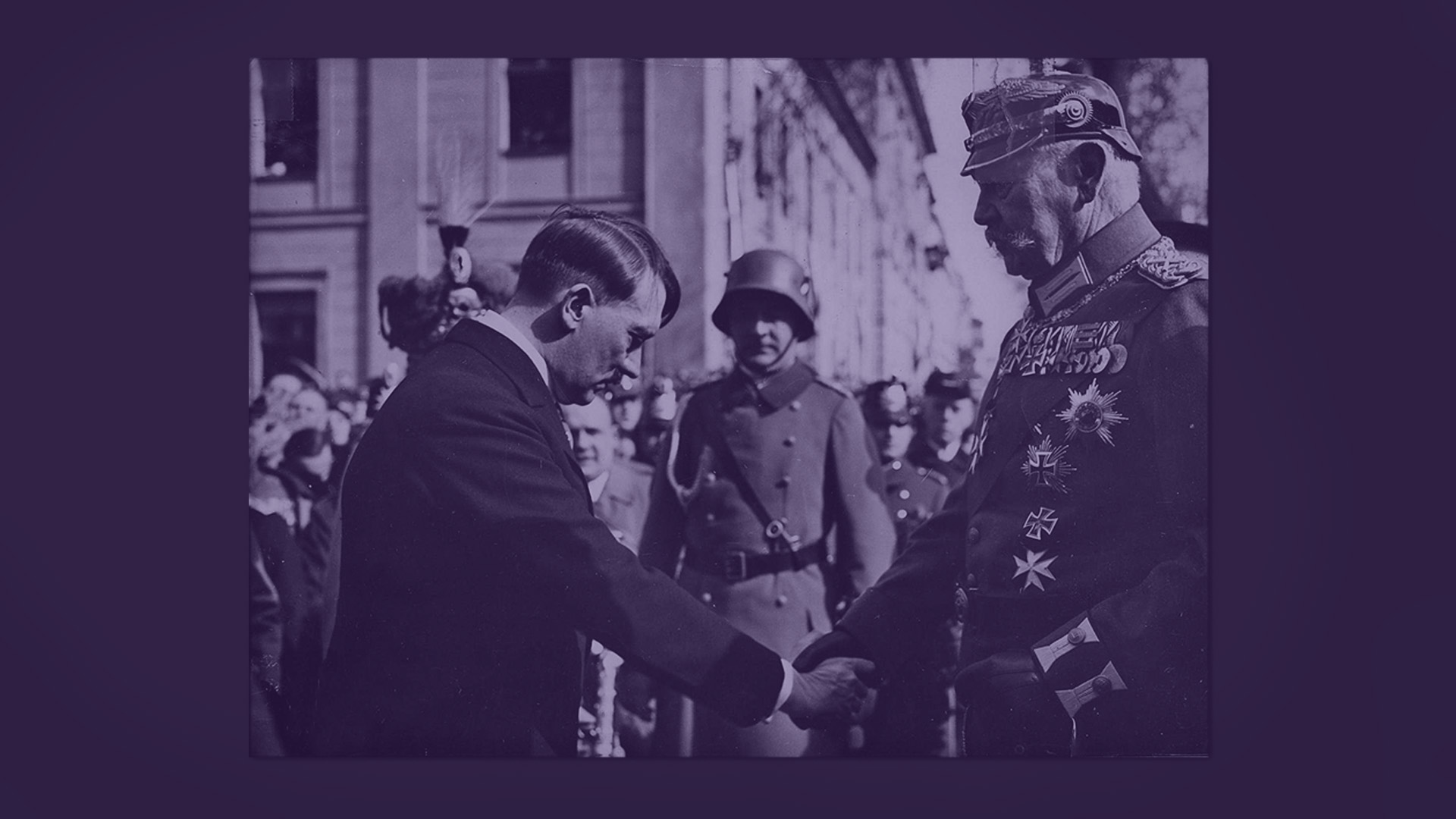
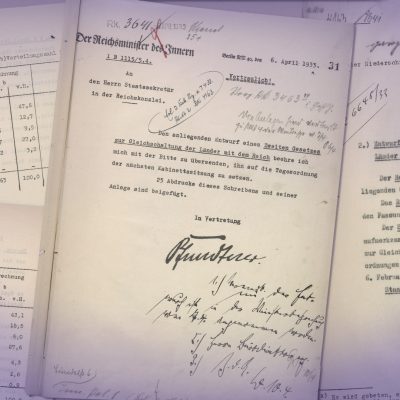
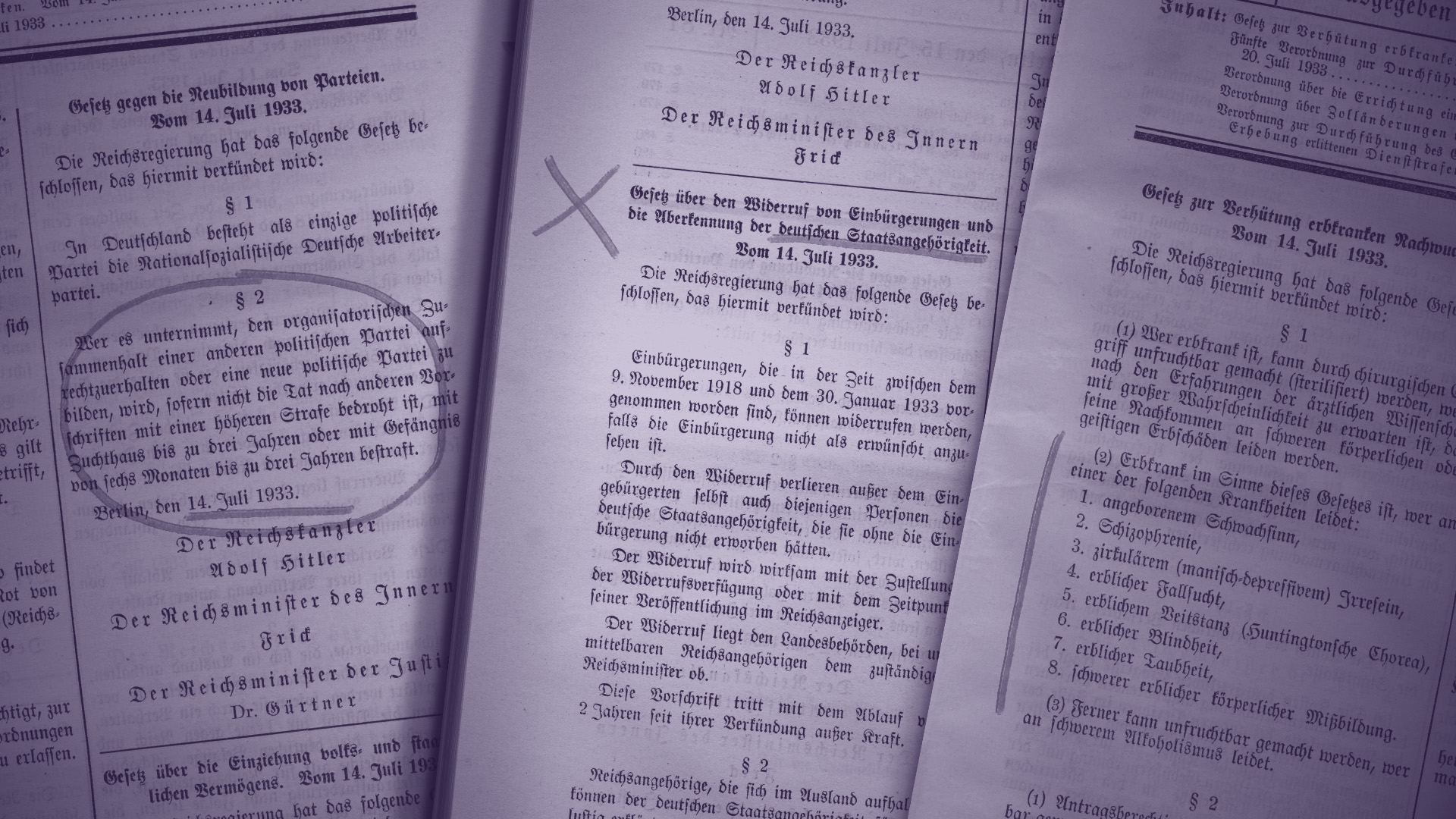
Although Adolf Hitler could rely on a majority coalition to rule Germany, his ultimate aim was to abolish parliament altogether. Claiming that desperate times meant extraordinary measures, he argued that he needed to be able to make decisions alone and quickly, even if they were unconstitutional. He needed a two-thirds majority in parliament to pass his Enabling Act – a charter for dictatorship – which would set the stage for the abolition of democracy.
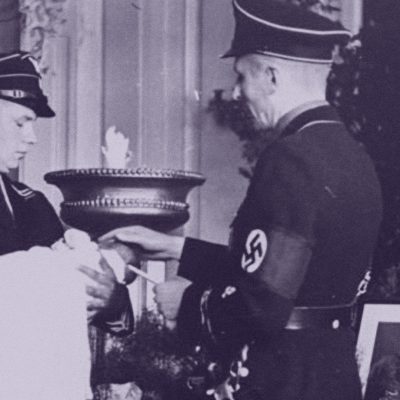
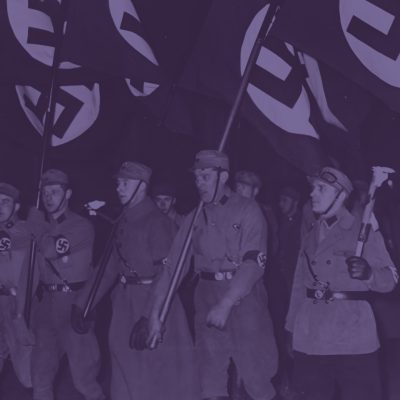
In the absence of all of the KPD and many of the SPD deputies, Hitler needed the votes of all the other parties in order to obtain the necessary majority. To this end, he vouched for the personal safety of waverers, yet ensured that armed SS and SA stood guard both inside and outside the Reichstag to add a little bit of menace. The result: all MPs present except those from the SPD voted in favour of the Enabling Act. The Weimar Constitution was suspended and power – both legislative and executive – was concentrated in the hands of one man: a dictator in all but name.

The whole year at a glance





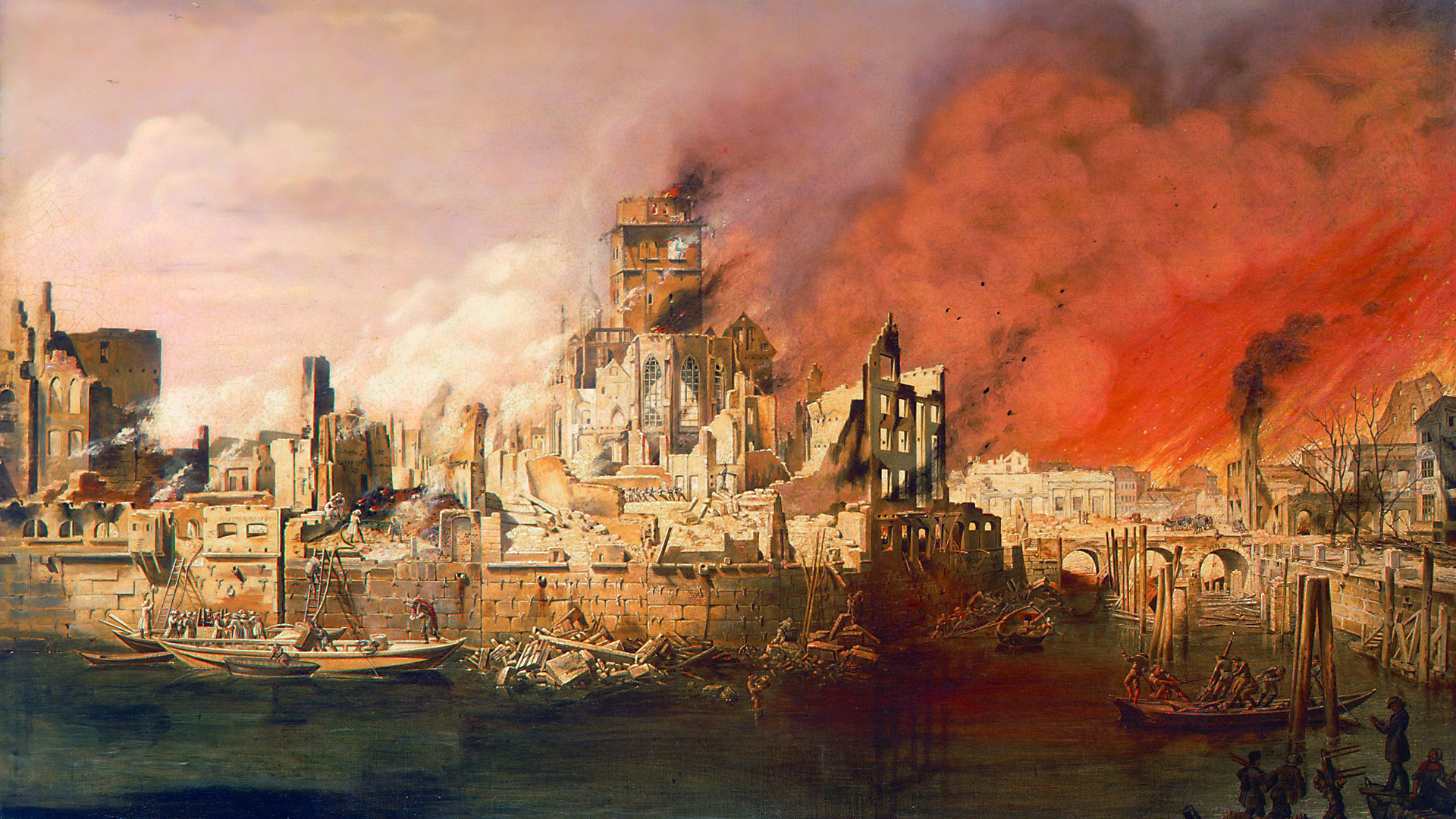
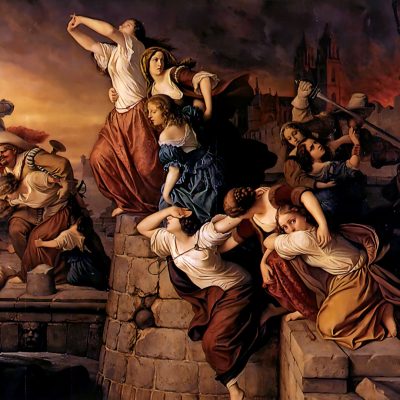
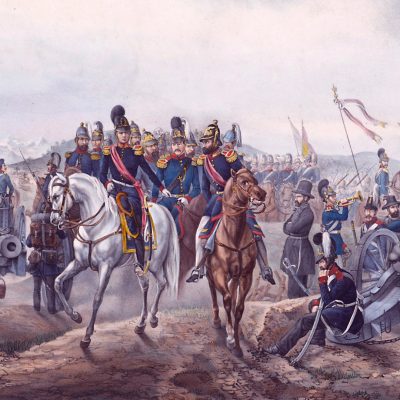
![Lithografie von Johann Nepomuk Heinemann [koloriert], nach Ölgemälde von Feodor Dietz (Foto: LABW, GLAK)](https://www.deutschlandmuseum.de/wp-content/uploads/2025/02/02031689_Zerstoerung_Heidelbergs-400x400.jpg "Lithografie von Johann Nepomuk Heinemann [koloriert], nach Ölgemälde von Feodor Dietz (Foto: LABW, GLAK)")





![Unter den Unterzeichnern sind die Nobelpreisträger Otto Hahn, Werner Heisenberg und Max Born [digital koloriert] (Quelle: Landesarchiv BW Staatsarchiv Freiburg, CC-BY-SA)](https://www.deutschlandmuseum.de/wp-content/uploads/2025/04/12041957_Göttinger_Erklärung-400x400.jpg "Unter den Unterzeichnern sind die Nobelpreisträger Otto Hahn, Werner Heisenberg und Max Born [digital koloriert] (Quelle: Landesarchiv BW Staatsarchiv Freiburg, CC-BY-SA)")




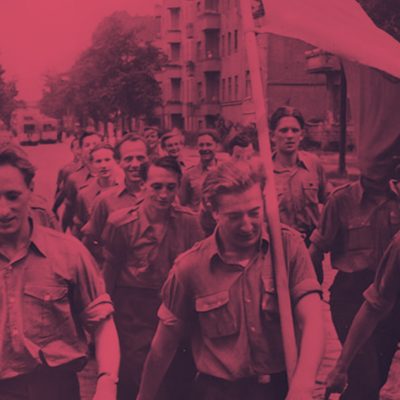
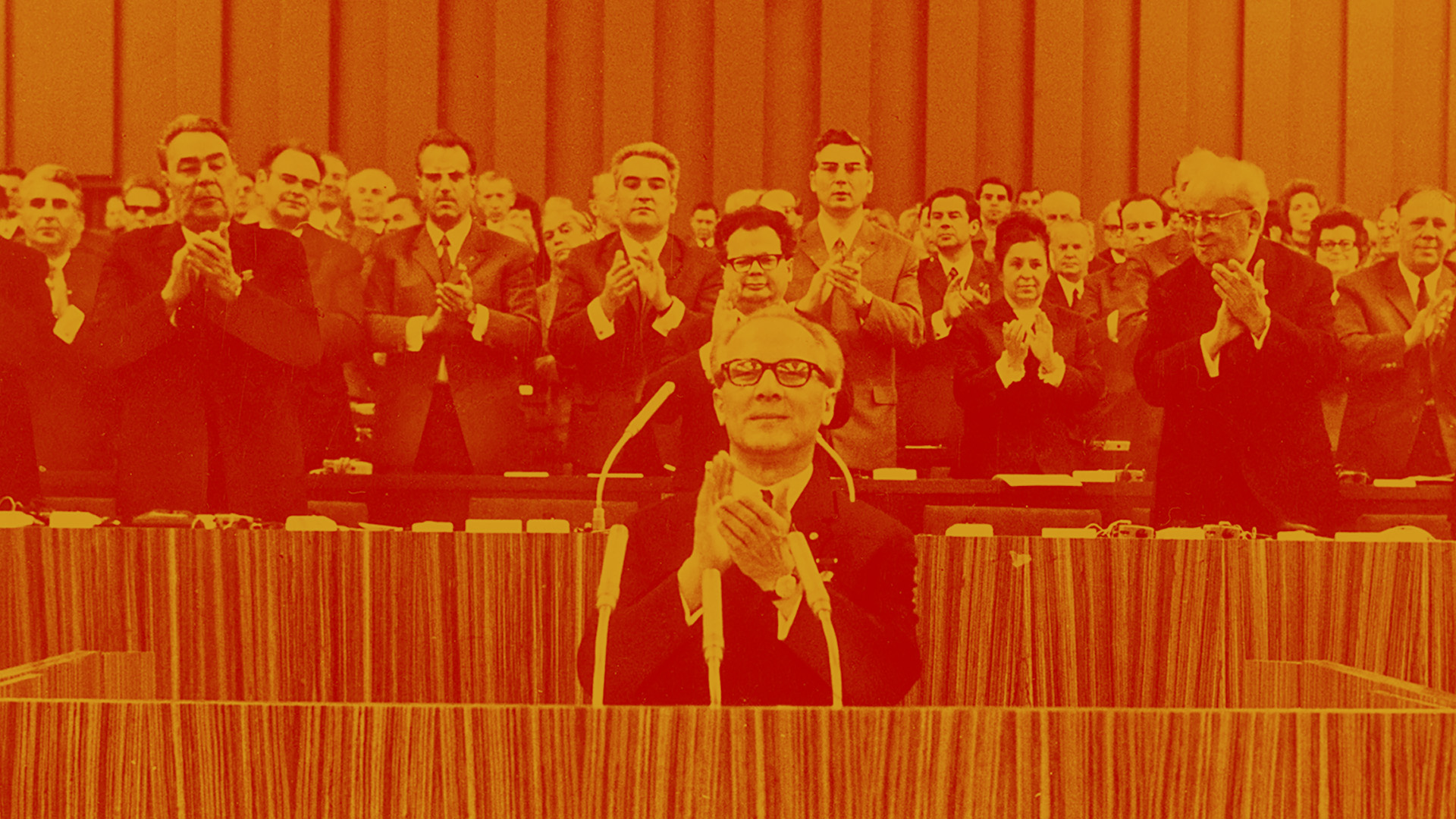
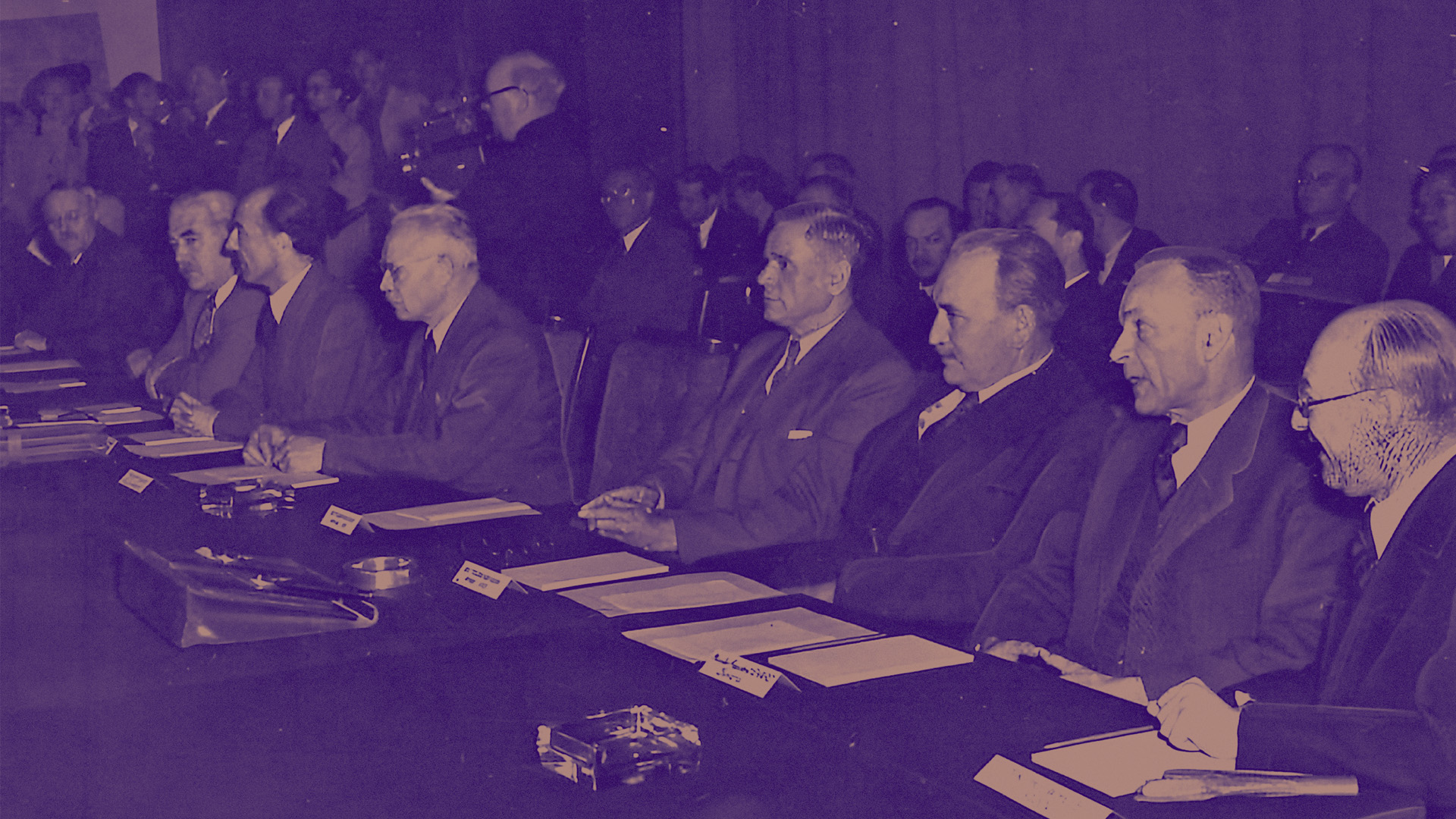
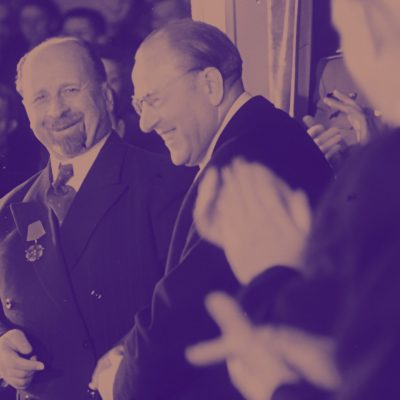
](https://www.deutschlandmuseum.de/wp-content/uploads/2025/04/21041946_SED_Gründung-1-400x400.jpg "Vereinigungsparteitag von KPD und SPD zur SED [digital koloriert](Quelle: Deutsche Fotothek, CC BY-SA 3.0 DE)")








![Alexander von Humboldt [Ausschnitt], Gemälde von Friedrich Georg Weitsch (Quelle: Alte Nationalgalerie)](https://www.deutschlandmuseum.de/wp-content/uploads/2025/09/14091769_Humboldt-400x400.jpg "Alexander von Humboldt [Ausschnitt], Gemälde von Friedrich Georg Weitsch (Quelle: Alte Nationalgalerie)")



![Albert Einstein im Patentamt Bern, 1905 [digital koloriert] (Quelle: ETH-Bibliothek Zürich)](https://www.deutschlandmuseum.de/wp-content/uploads/2025/09/26091905_Einstein_koloriert-400x400.jpg "Albert Einstein im Patentamt Bern, 1905 [digital koloriert] (Quelle: ETH-Bibliothek Zürich)")