

Street fighting in Berlin and Lichtenberg leaves more than 1,000 dead
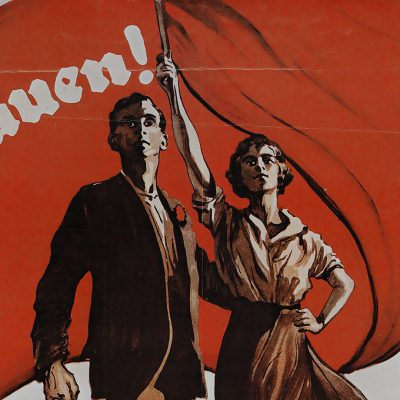
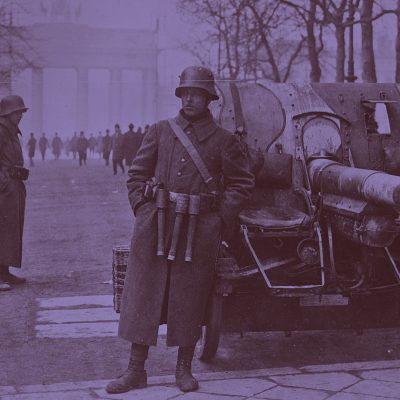
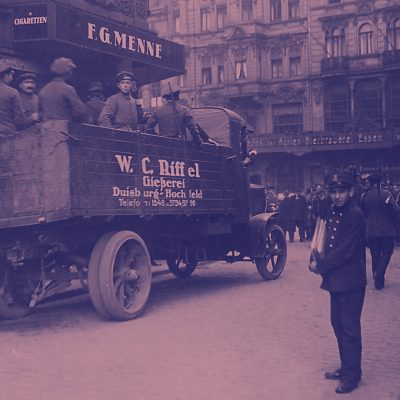
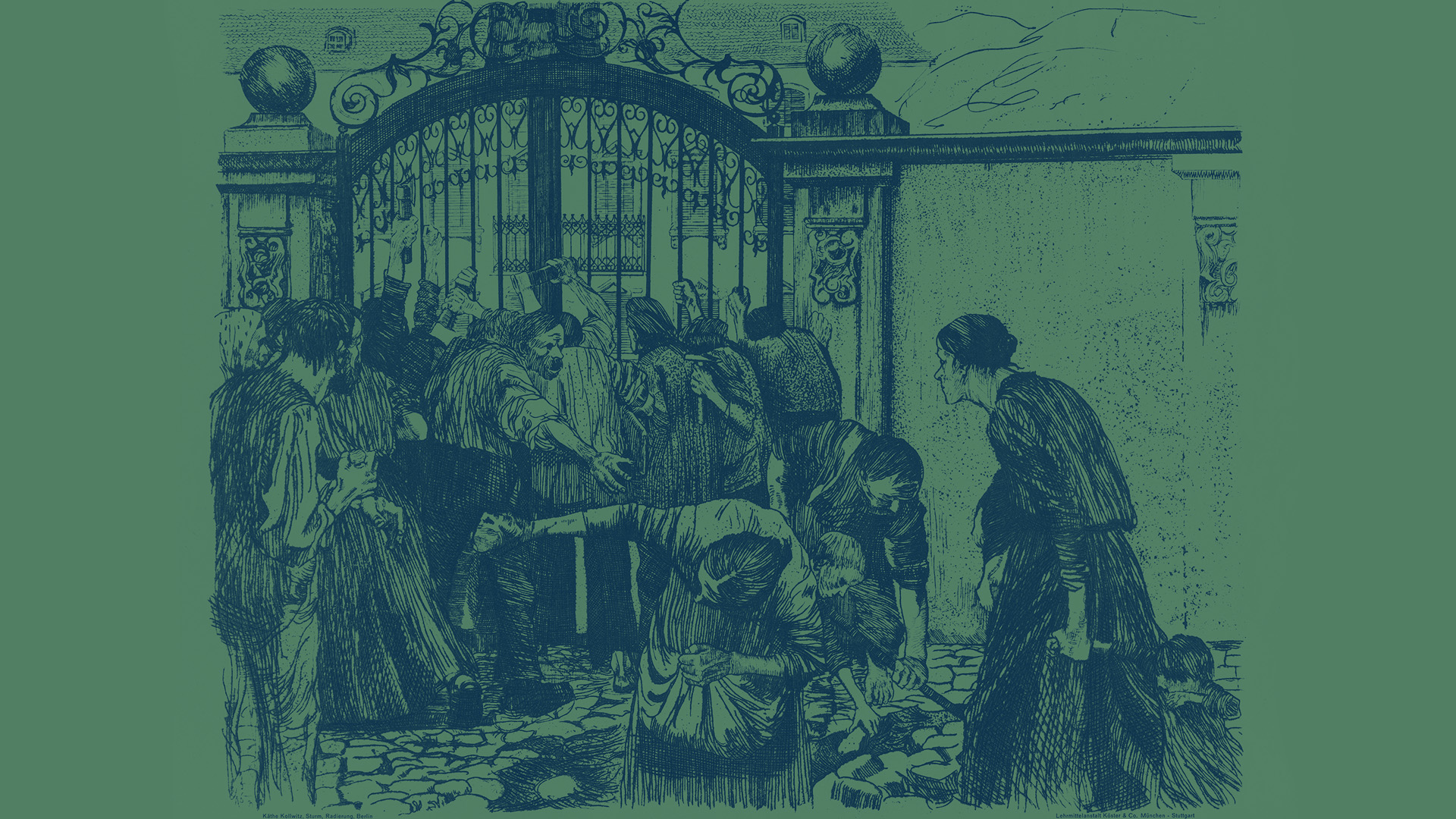
Early 1919 seemed to herald a period of political stability in Germany. A national assembly and a president had been elected, and a coalition government was about to set about its task of governing the new republic. Democracy had arrived. Unfortunately, the Far Left did not really see it this way. Accusing the moderate SPD of betrayal, the Left argued that in cooperating with bourgeois parties, moderate Socialists had sold out the revolution. Launching a general strike in the Ruhr, Saxony, Thuringia and other areas, radicals hoped to socialize industry and establish the rule of workers’ councils.
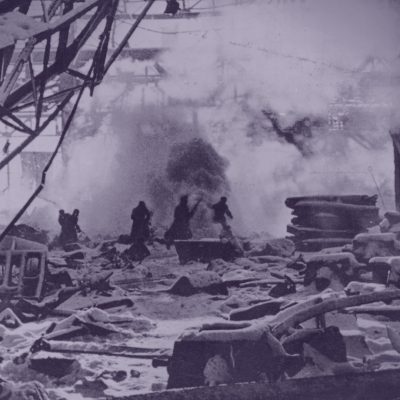
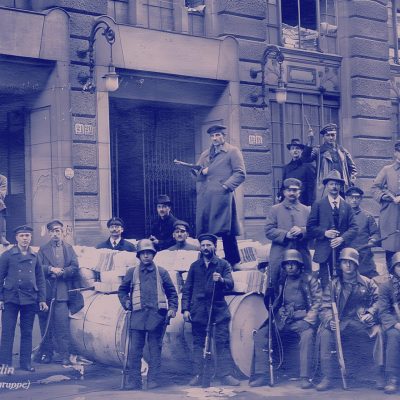
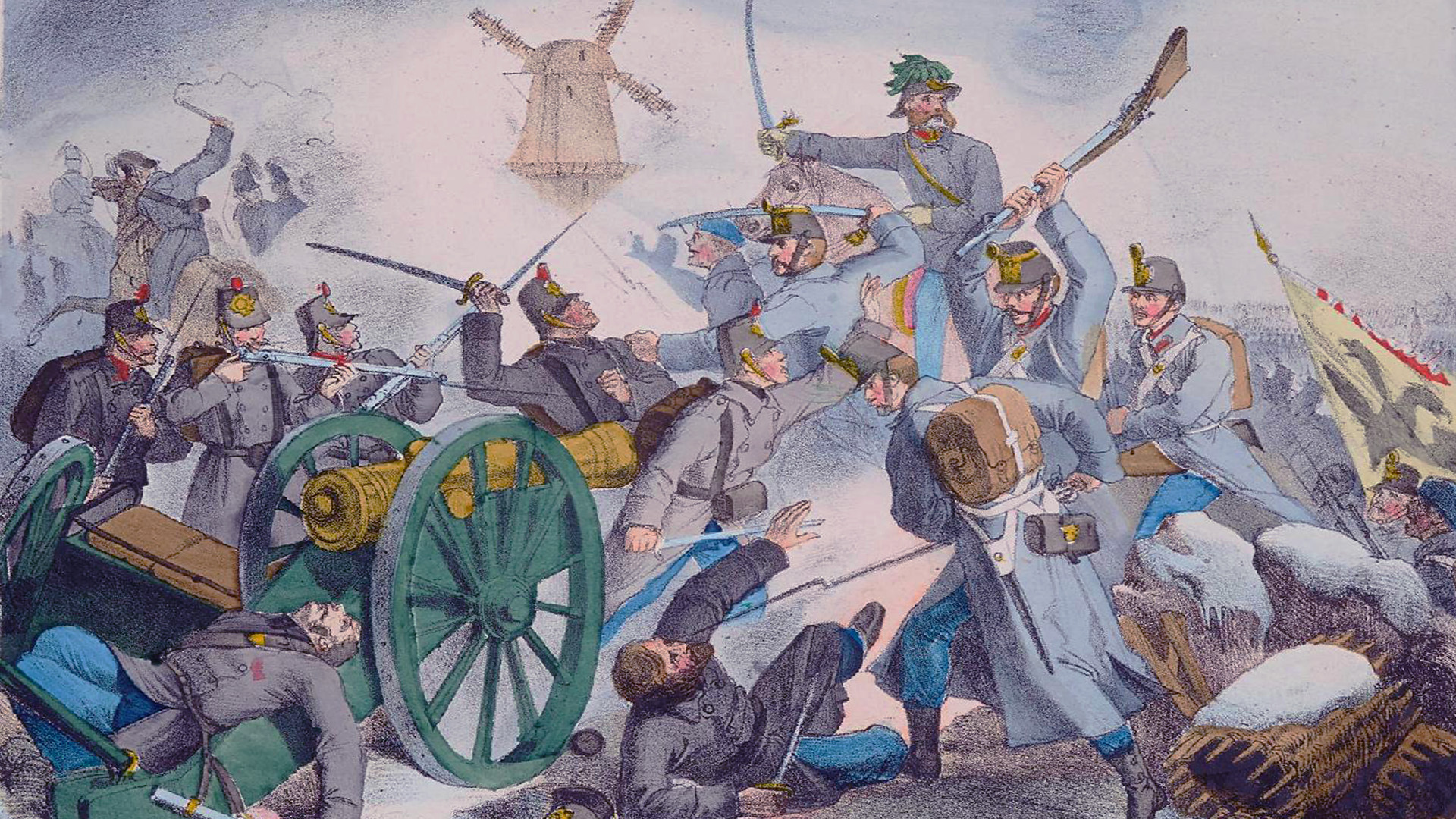
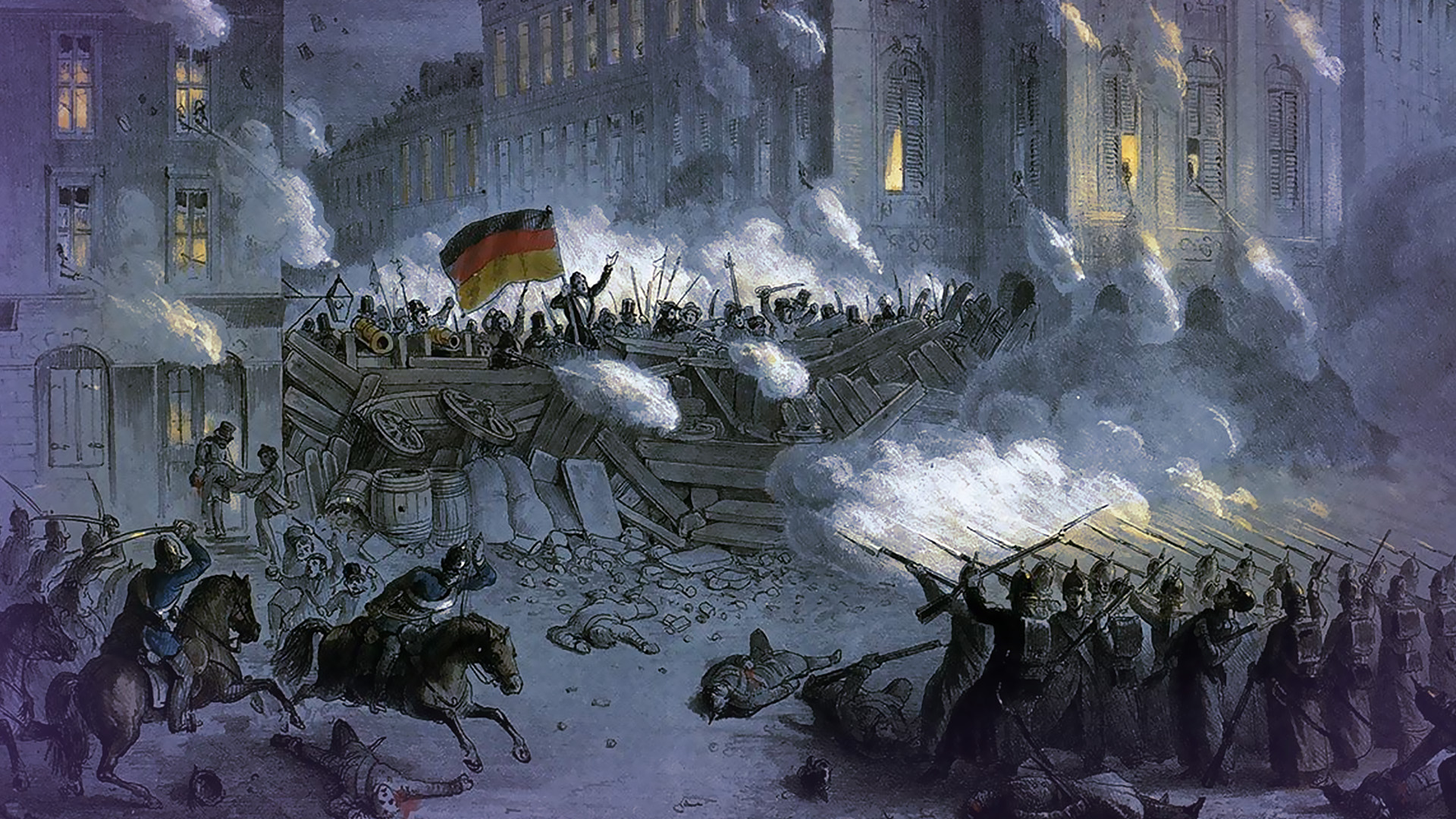
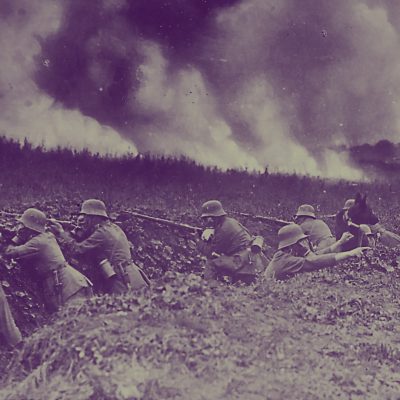
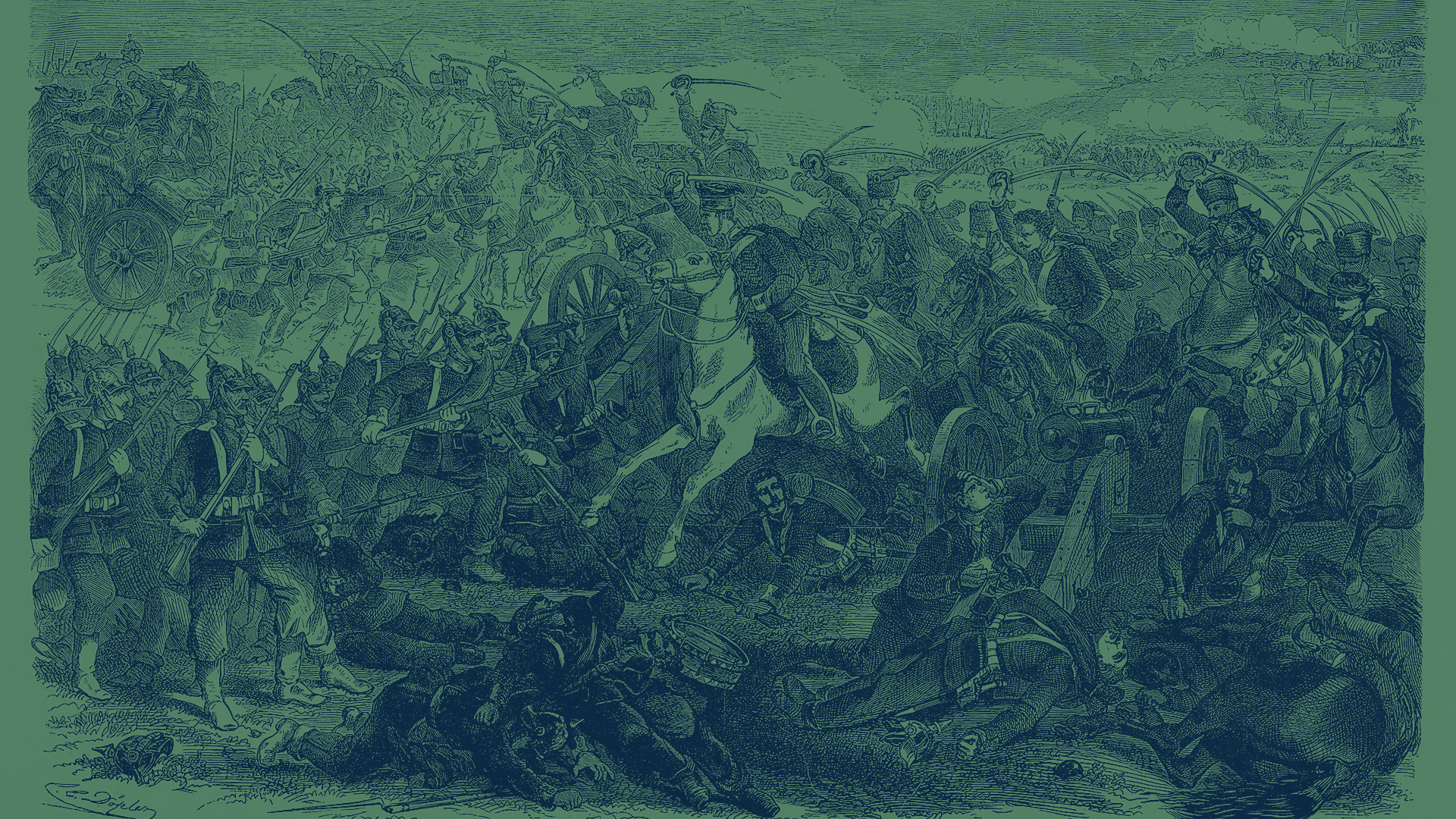
A plenary session of the workers’ councils in Berlin held on 3 March 1919 decided to launch its own general strike. On the same day, workers went on a looting spree and clashed with the police whilst trying to steal weapons. The Prussian government imposed a state of siege on the city, and government troops and Freikorps units engaged armed bands of workers, who had hastily erected barricades around Alexanderplatz. Days later, the general strike had been called off, but fighting continued in the nearby town of Lichtenberg. False reports of atrocities allegedly committed by the insurgents prompted the government to let the army and Freikorps off the leash. Declaring martial law, the army wheeled out the artillery and summarily shot anyone found in possession of a weapon. The fighting claimed the lives of between 1,200 and 2000; the majority of the casualties were registered amongst the would-be revolutionaries. This led to a deep enmity between Social Democrats and Communists that lasted for years.
The whole year at a glance


![Lithografie von Johann Nepomuk Heinemann [koloriert], nach Ölgemälde von Feodor Dietz (Foto: LABW, GLAK)](https://www.deutschlandmuseum.de/wp-content/uploads/2025/02/02031689_Zerstoerung_Heidelbergs-400x400.jpg "Lithografie von Johann Nepomuk Heinemann [koloriert], nach Ölgemälde von Feodor Dietz (Foto: LABW, GLAK)")


![Unter den Unterzeichnern sind die Nobelpreisträger Otto Hahn, Werner Heisenberg und Max Born [digital koloriert] (Quelle: Landesarchiv BW Staatsarchiv Freiburg, CC-BY-SA)](https://www.deutschlandmuseum.de/wp-content/uploads/2025/04/12041957_Göttinger_Erklärung-400x400.jpg "Unter den Unterzeichnern sind die Nobelpreisträger Otto Hahn, Werner Heisenberg und Max Born [digital koloriert] (Quelle: Landesarchiv BW Staatsarchiv Freiburg, CC-BY-SA)")


](https://www.deutschlandmuseum.de/wp-content/uploads/2025/04/21041946_SED_Gründung-1-400x400.jpg "Vereinigungsparteitag von KPD und SPD zur SED [digital koloriert](Quelle: Deutsche Fotothek, CC BY-SA 3.0 DE)")






![Alexander von Humboldt [Ausschnitt], Gemälde von Friedrich Georg Weitsch (Quelle: Alte Nationalgalerie)](https://www.deutschlandmuseum.de/wp-content/uploads/2025/09/14091769_Humboldt-400x400.jpg "Alexander von Humboldt [Ausschnitt], Gemälde von Friedrich Georg Weitsch (Quelle: Alte Nationalgalerie)")



![Albert Einstein im Patentamt Bern, 1905 [digital koloriert] (Quelle: ETH-Bibliothek Zürich)](https://www.deutschlandmuseum.de/wp-content/uploads/2025/09/26091905_Einstein_koloriert-400x400.jpg "Albert Einstein im Patentamt Bern, 1905 [digital koloriert] (Quelle: ETH-Bibliothek Zürich)")