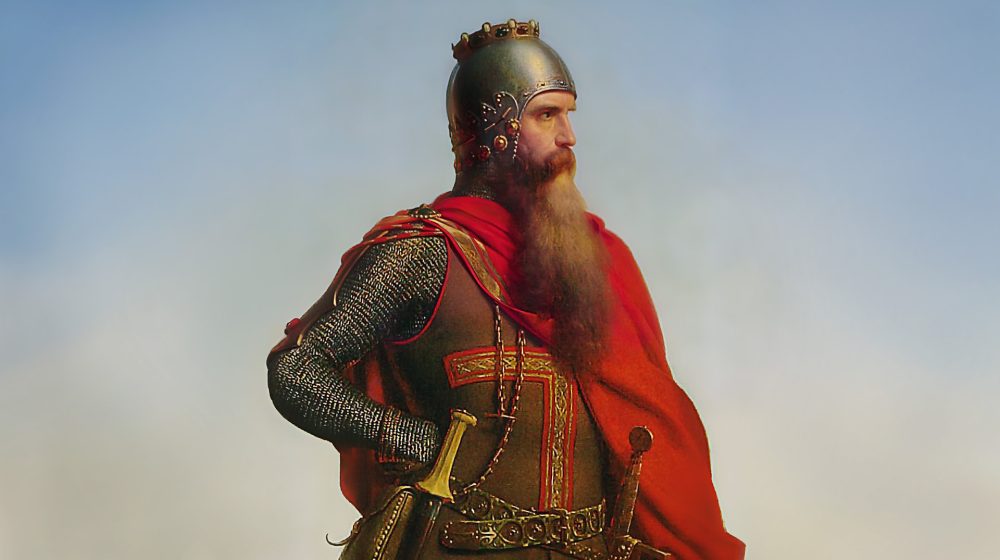

One of the most famous medieval rulers comes to the throne
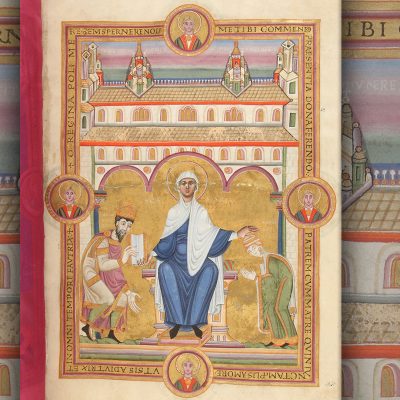
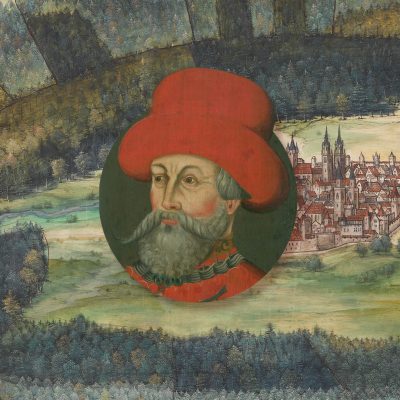
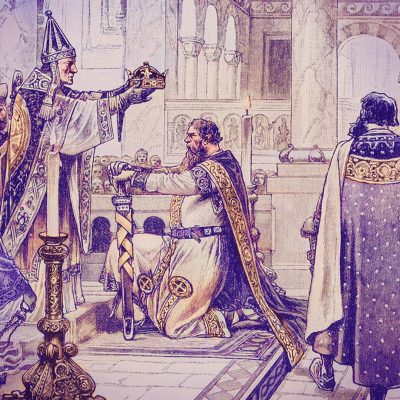
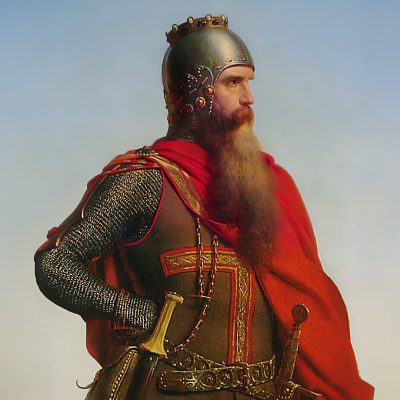
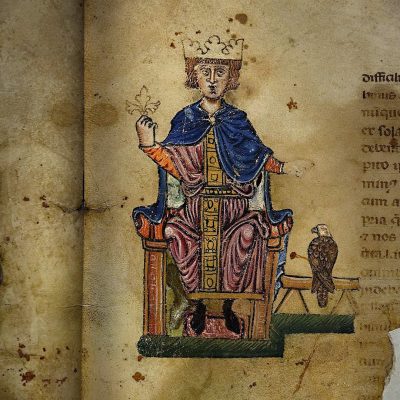
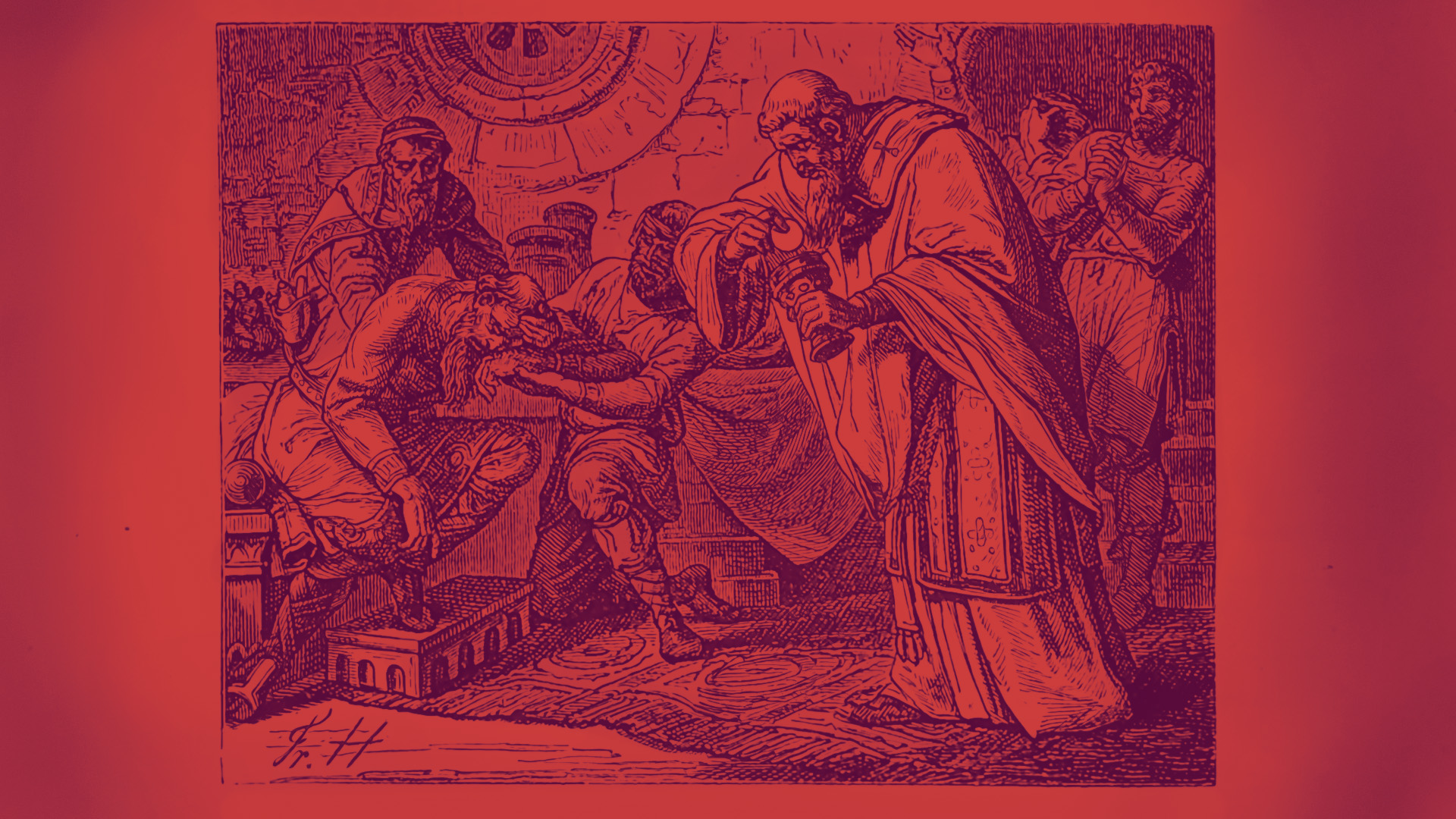
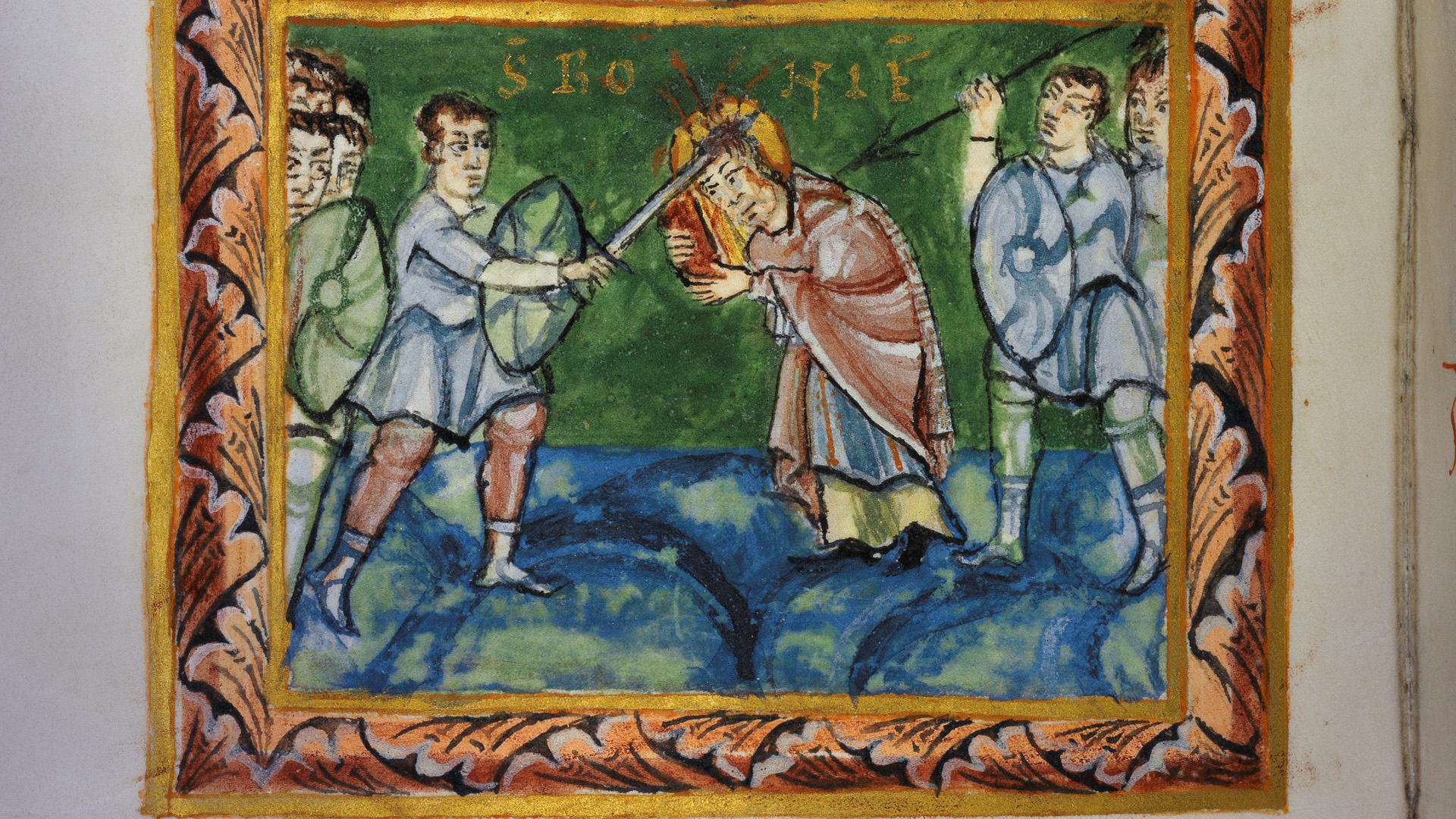
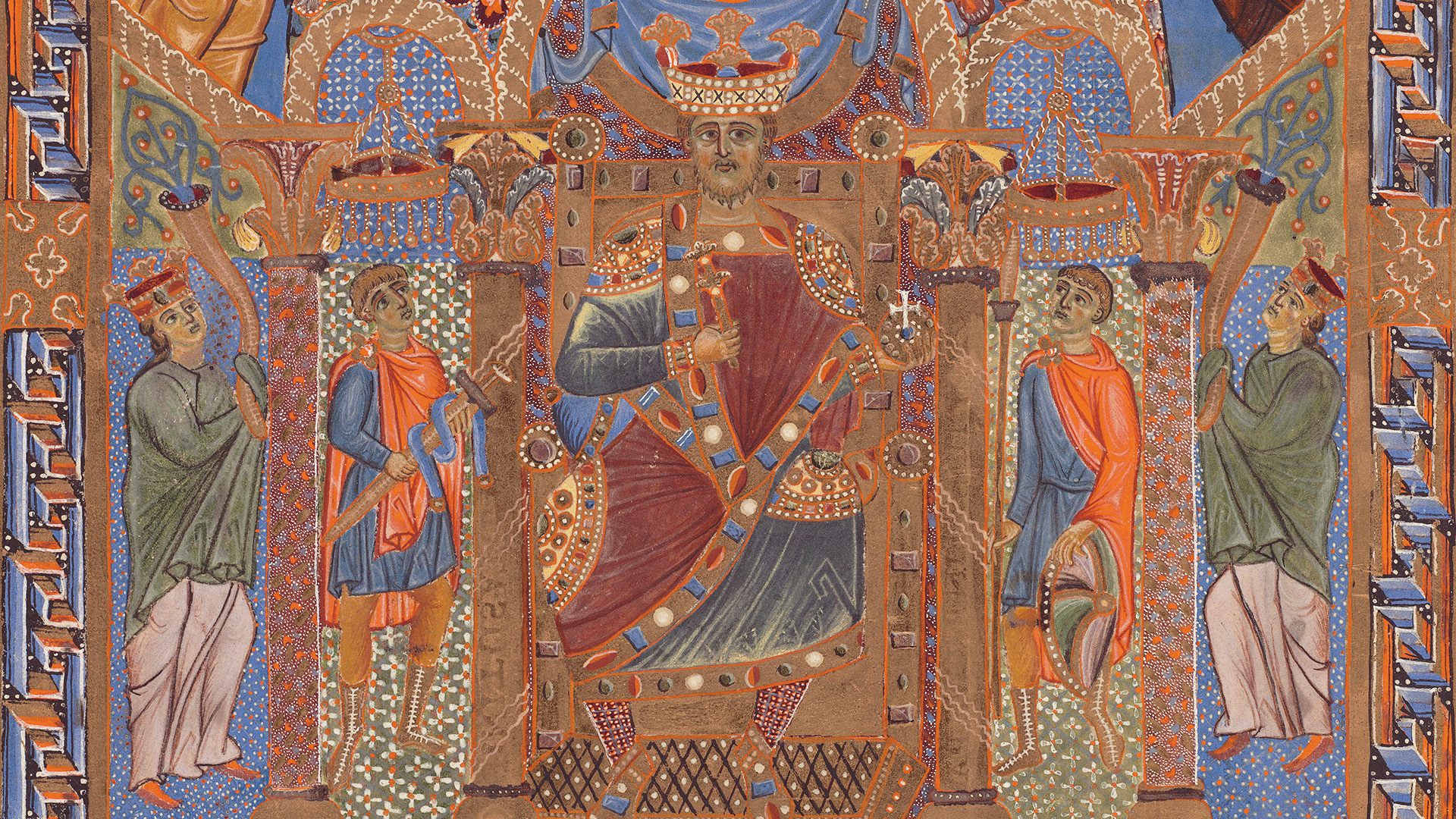
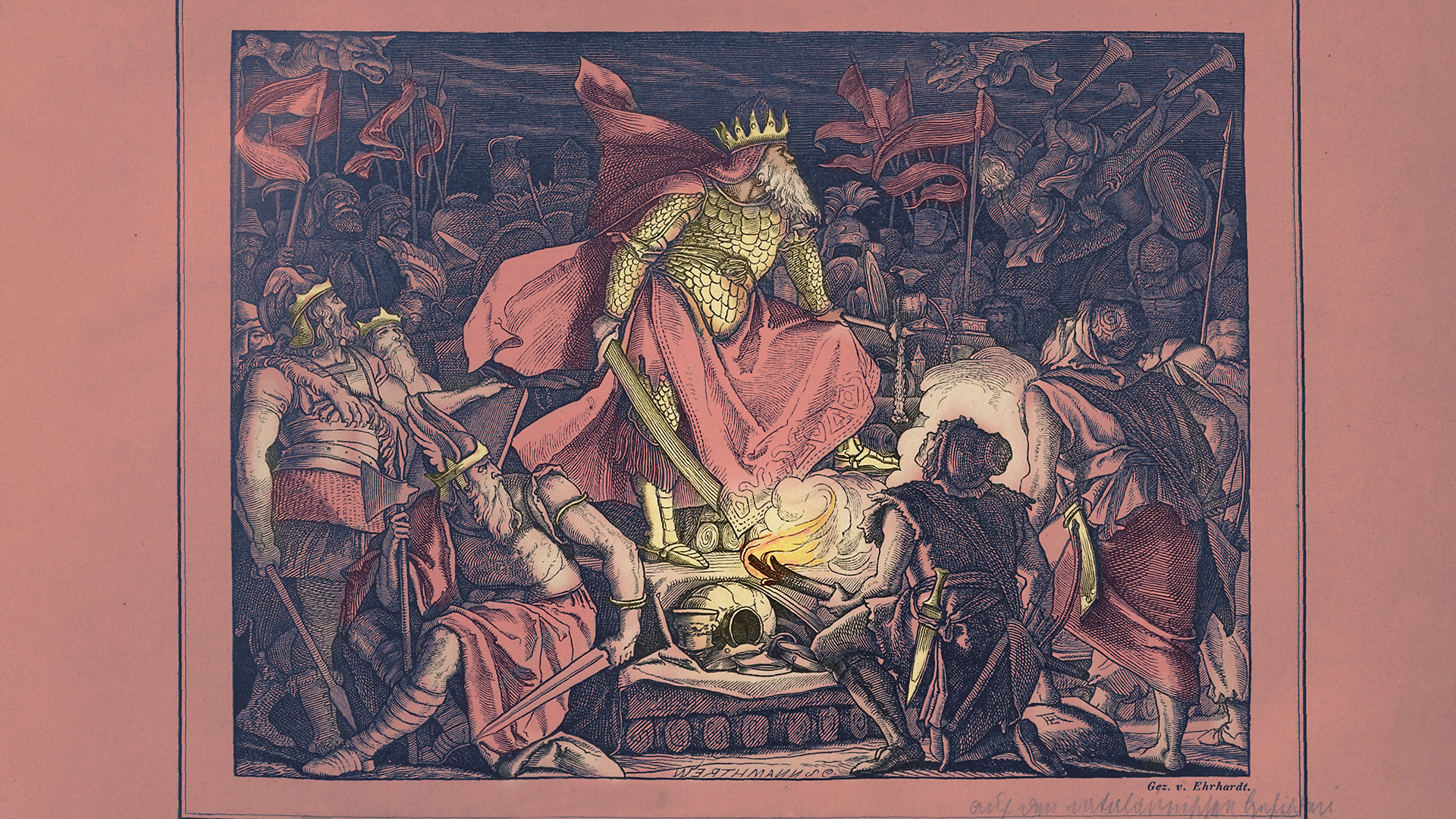
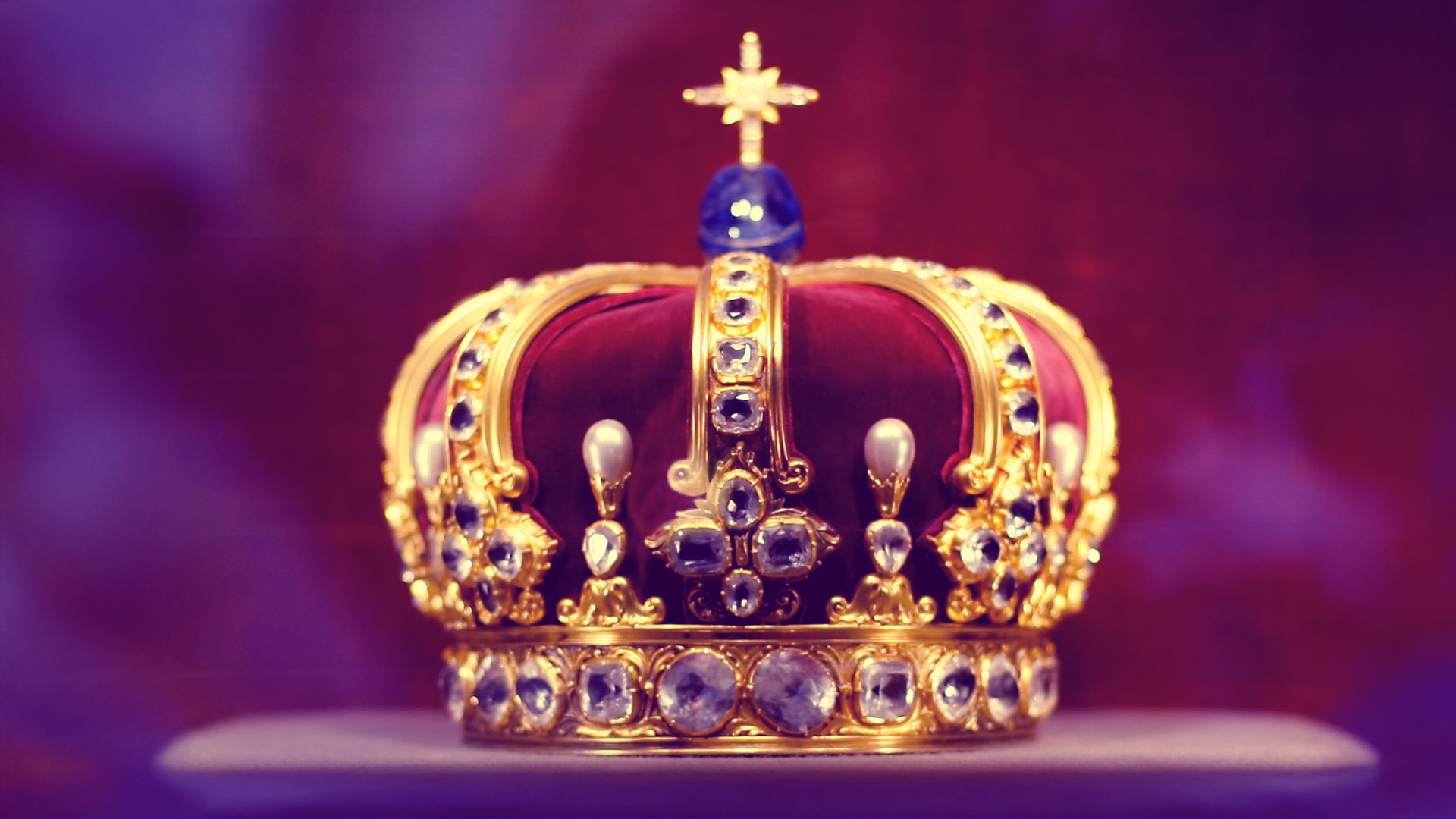
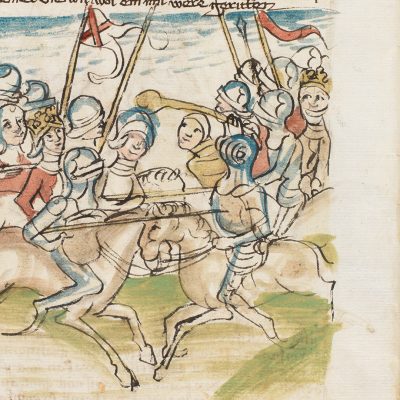
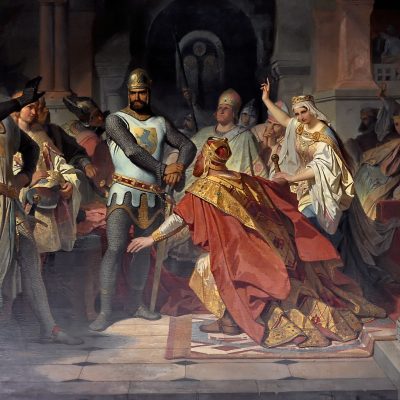
On 4 March 1152, Frederick of Swabia became the second Hohenstaufen to be elected as the King of Germany. Frederick II, who was crowned Emperor soon after, later acquired the soubriquet Barbarossa (Red Beard). Rarely backing down from a fight and assiduous in organizing courtly festivities and tournaments, Barbarossa has since enjoyed a long afterlife as the archetype of the strong medieval ruler.
Indeed, it is this afterlife for which he is probably best remembered. According to legend, he did not really die whilst on crusade, but is currently asleep under the Kyffhäuser Mountains, waiting to return to save the empire from peril. This medieval legend was revived in the 19th century; the nascent nationalist movement played up the myth of Barbarossa as a strong, chivalrous and assertive ruler in order to stimulate a longing for the return of old glories. A more balanced interpretation of Frederick Barbarossa stresses the princely checks on royal power and his need to rule by consensus.
The whole year at a glance





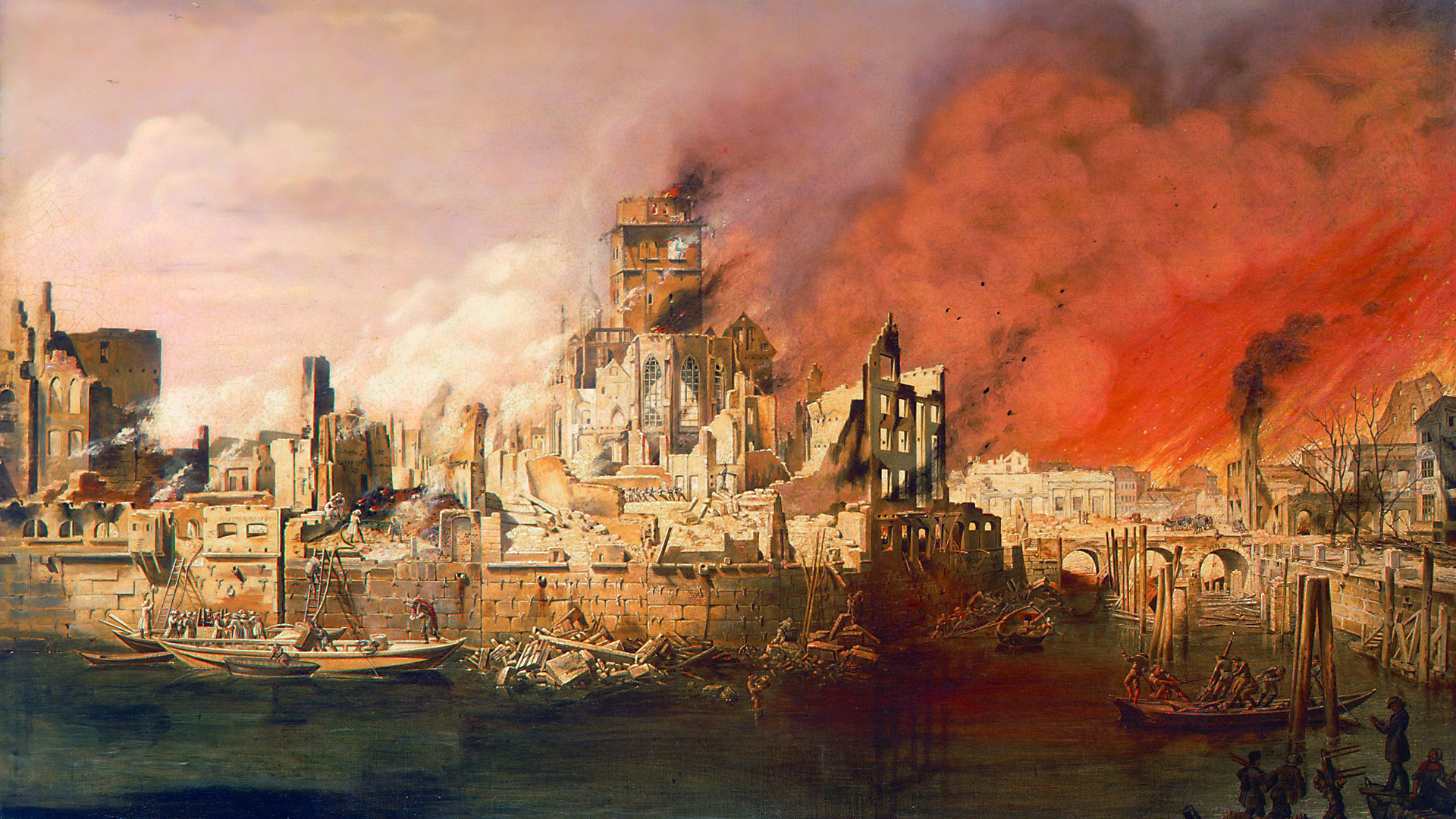
![Lithografie von Johann Nepomuk Heinemann [koloriert], nach Ölgemälde von Feodor Dietz (Foto: LABW, GLAK)](https://www.deutschlandmuseum.de/wp-content/uploads/2025/02/02031689_Zerstoerung_Heidelbergs-400x400.jpg "Lithografie von Johann Nepomuk Heinemann [koloriert], nach Ölgemälde von Feodor Dietz (Foto: LABW, GLAK)")

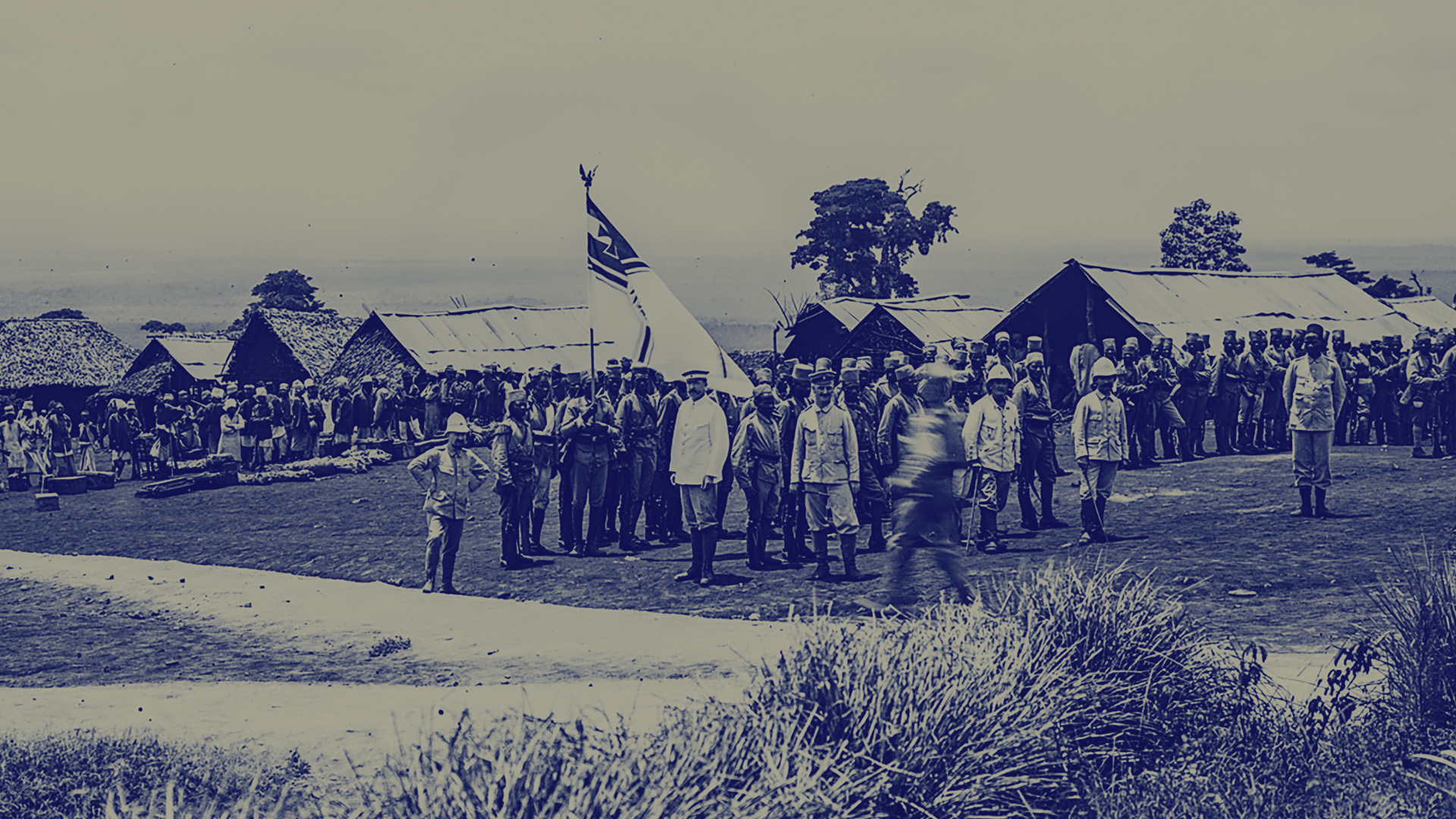
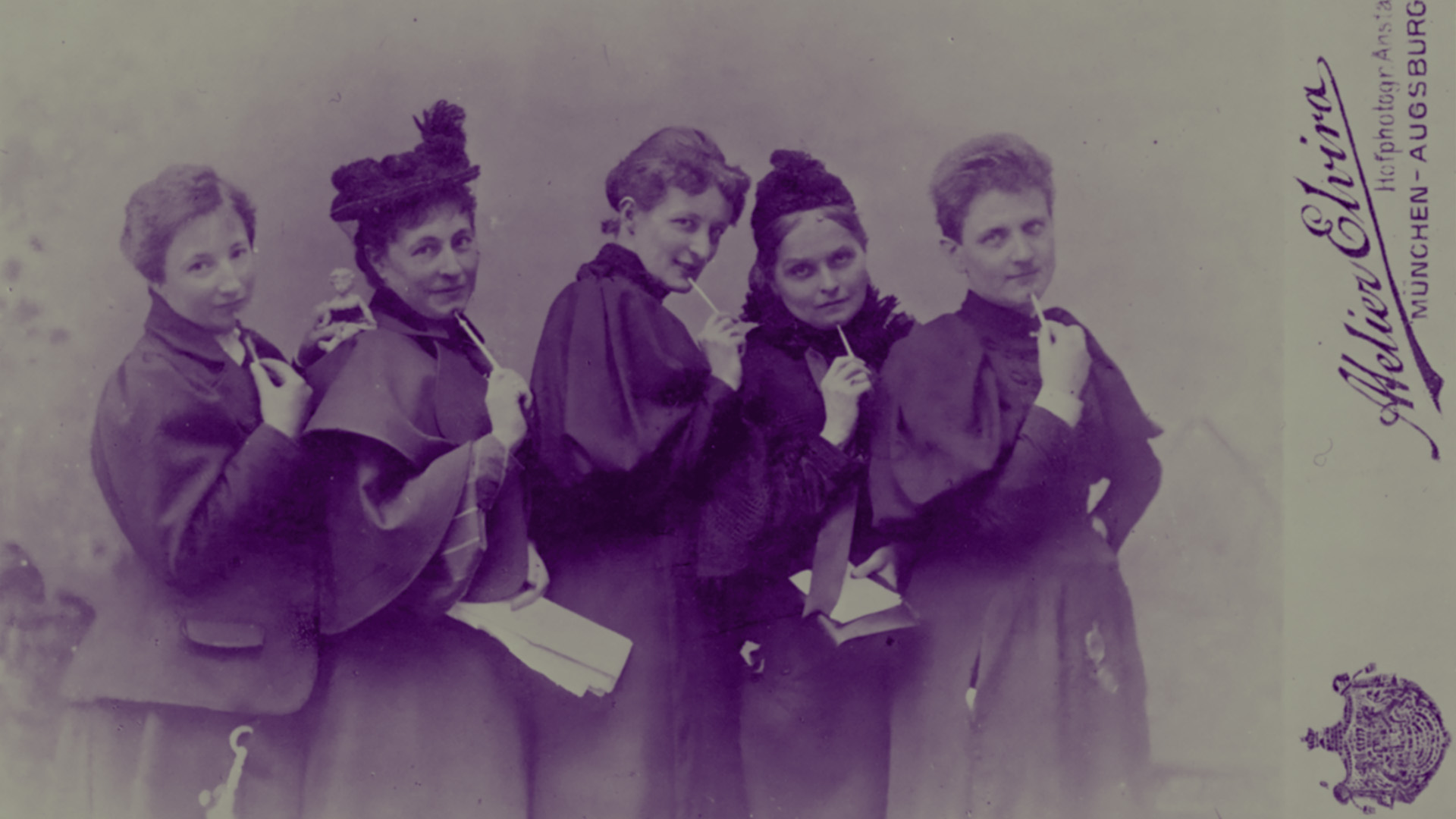
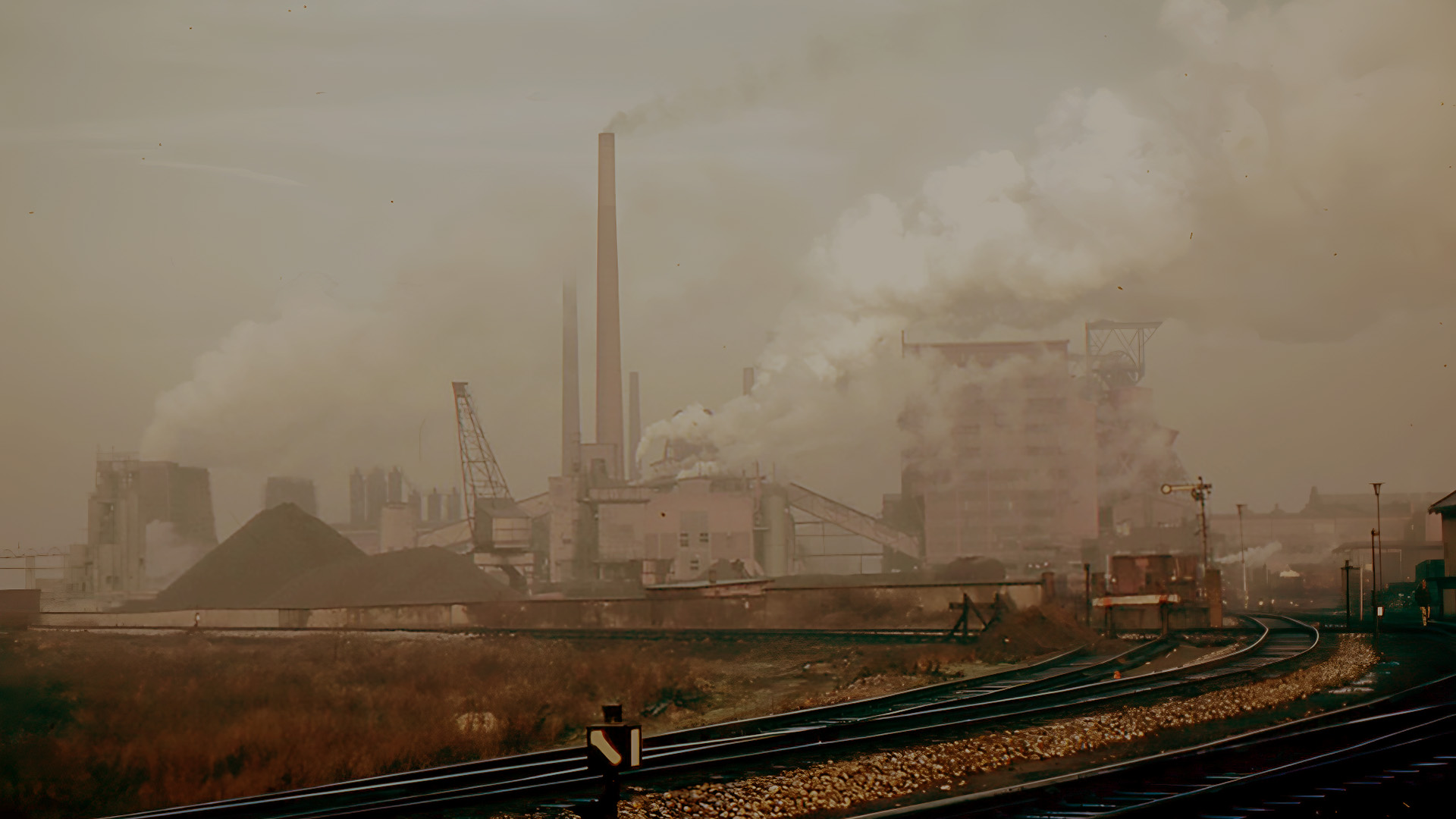
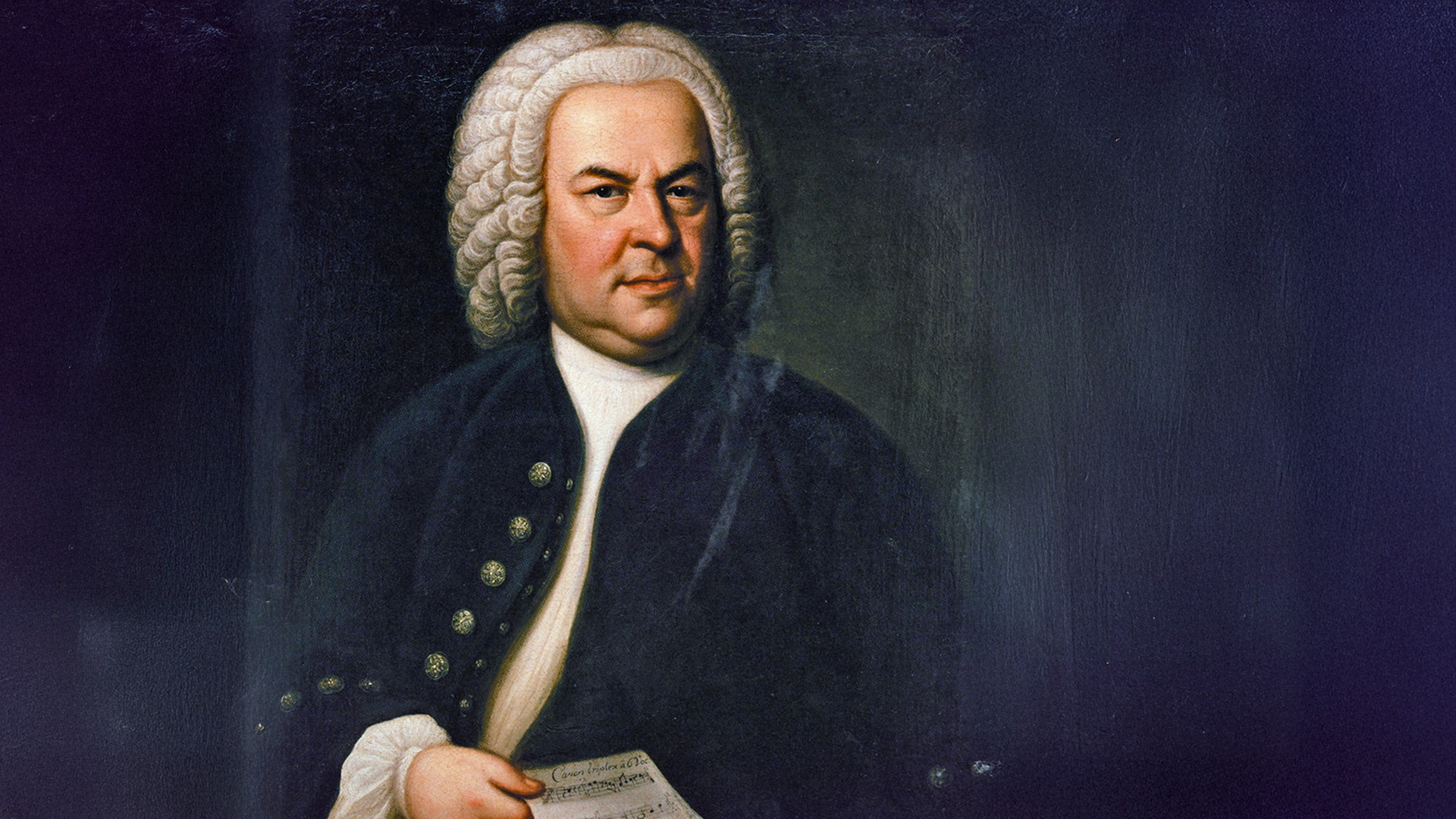

![Unter den Unterzeichnern sind die Nobelpreisträger Otto Hahn, Werner Heisenberg und Max Born [digital koloriert] (Quelle: Landesarchiv BW Staatsarchiv Freiburg, CC-BY-SA)](https://www.deutschlandmuseum.de/wp-content/uploads/2025/04/12041957_Göttinger_Erklärung-400x400.jpg "Unter den Unterzeichnern sind die Nobelpreisträger Otto Hahn, Werner Heisenberg und Max Born [digital koloriert] (Quelle: Landesarchiv BW Staatsarchiv Freiburg, CC-BY-SA)")




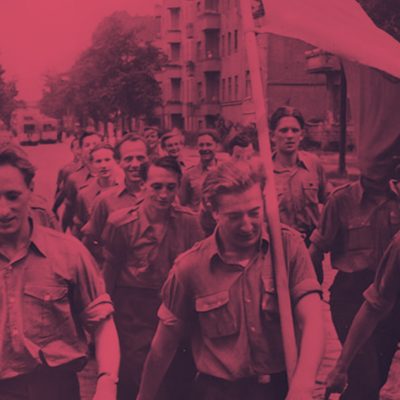
](https://www.deutschlandmuseum.de/wp-content/uploads/2025/04/21041946_SED_Gründung-1-400x400.jpg "Vereinigungsparteitag von KPD und SPD zur SED [digital koloriert](Quelle: Deutsche Fotothek, CC BY-SA 3.0 DE)")






![Alexander von Humboldt [Ausschnitt], Gemälde von Friedrich Georg Weitsch (Quelle: Alte Nationalgalerie)](https://www.deutschlandmuseum.de/wp-content/uploads/2025/09/14091769_Humboldt-400x400.jpg "Alexander von Humboldt [Ausschnitt], Gemälde von Friedrich Georg Weitsch (Quelle: Alte Nationalgalerie)")



![Albert Einstein im Patentamt Bern, 1905 [digital koloriert] (Quelle: ETH-Bibliothek Zürich)](https://www.deutschlandmuseum.de/wp-content/uploads/2025/09/26091905_Einstein_koloriert-400x400.jpg "Albert Einstein im Patentamt Bern, 1905 [digital koloriert] (Quelle: ETH-Bibliothek Zürich)")